
GHK-Cu
Copper Peptide · Copper Tripeptide-1
A copper-binding tripeptide with genuine human topical evidence for skin, collagen, and wound healing.
Class
Copper-binding tripeptide (Gly-His-Lys)
Half-life
Short systemically; acts locally when applied topically
Evidence
Limited human data
Limited human data
Small open-label studies, case series, or trials in a narrow population. Directionally informative, not conclusive.
Overview
GHK-Cu is a naturally occurring tripeptide bound to copper. Its plasma level is high in youth and declines with age — a decline that tracks with reduced regenerative capacity. Of the 'recovery' peptides, it has among the strongest human evidence, though almost entirely for topical skin applications rather than systemic injection.
In cosmetic dermatology, controlled human studies show it improves skin firmness, elasticity, and appearance of fine lines, and stimulates collagen and glycosaminoglycan synthesis. It also has documented wound-healing and hair-follicle-stimulating effects when applied to the skin or scalp.
Gene-expression studies found GHK-Cu modulates hundreds of genes toward a younger, more regenerative profile — striking mechanistically, though those are lab findings, not clinical outcomes. Its best-supported uses are dermatological and topical; injectable systemic use has far less evidence.
How it works
- Delivers copper, a cofactor for lysyl oxidase and superoxide dismutase, into skin and tissue.
- Stimulates collagen, elastin, and glycosaminoglycan synthesis by dermal fibroblasts.
- Modulates expression of numerous genes toward tissue-remodelling and antioxidant profiles.
- Promotes angiogenesis and attracts repair cells to wound sites.
What the research shows
Researched effects
- Improved skin firmness, elasticity, and reduced fine lines in controlled topical human studies
- Accelerated wound healing and reduced scarring
- Stimulated hair follicle size and growth in scalp studies
- Increased collagen synthesis in human dermal fibroblasts
Limitations & what it won't do
- Strong evidence is topical; systemic/injectable efficacy and safety are far less established.
- Copper accumulation is a theoretical risk with excessive systemic dosing.
- Not FDA approved as a drug (used in cosmetic formulations).
Dosing protocols
These ranges reflect published trials and community protocols. They are reference information, not a prescription. Doses are per injection unless noted.
Topical (best-evidenced route)
1–3% serum or creamThis is the route with actual human trial support. Avoid combining with strong vitamin C or retinoids in the same application.
Subcutaneous (systemic, community protocol)
1–2 mgLess evidence than topical use. Copper-carrying peptides should be cycled; monitor for signs of copper excess.
Reconstitution & measuring your dose
Handling
- Typical vial sizes
- 100 mg
- Suggested BAC water
- 5 mL
- Storage
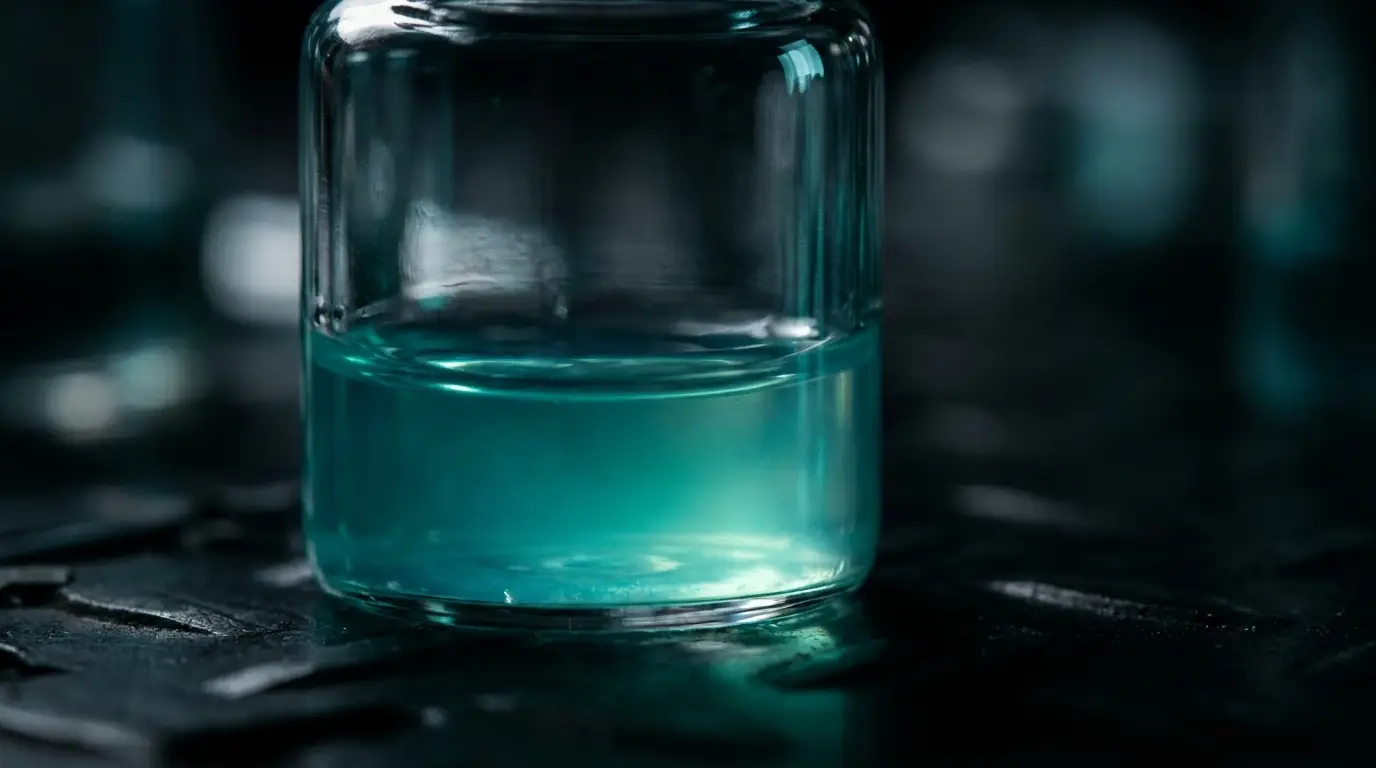
- Store the deep-blue reconstituted solution refrigerated, protected from light.
- After reconstitution
- Reconstituted: approximately 30–60 days refrigerated.
Why 5 mL? GHK-Cu vials are larger (50–100 mg). A 50 mg vial in 5 mL yields 10 mg/mL — a 1 mg subcutaneous dose lands on 10 units of a U-100 syringe. For topical use it is dissolved into a serum base instead.
Dose calculator
Draw to
1.3units
= 0.013 mL · 200 mcg per unit
Concentration
20000 mcg/mL
Doses per vial
400
- This dose is only 1.3 units — hard to measure accurately on a 100-unit syringe. Add more bacteriostatic water to dilute, so each dose lands on a larger, easier-to-read mark.
Side effects
Common
- Topical: mild irritation or redness
- Injectable: injection-site reactions
- Temporary skin tightness
Serious / rare
- Copper toxicity with excessive systemic dosing (nausea, GI upset, neurological effects)
- Hypersensitivity reactions
Contraindications & interactions
Do not use if you have
- Pregnant, breastfeeding, or trying to conceive
No systemic pregnancy safety data; injectable use is not advised.
Use caution if you have
- Liver disease
The liver regulates copper; hepatic disease or Wilson's disease makes copper-carrying peptides risky systemically.
- Active cancer or current oncology treatment
GHK-Cu promotes angiogenesis; systemic use during active malignancy warrants oncology review.
What to monitor
- Signs of copper excess with prolonged systemic use
- Skin response for topical use
Commonly combined with
GHK-Cu: common questions
Is GHK-Cu approved for human use?
Most research peptides, including GHK-Cu, are not FDA-approved for general human use and are sold as research chemicals "not for human consumption." Check the legal-status and evidence badges above, and consult a licensed physician — this page is educational only.
How strong is the evidence for GHK-Cu?
On this site GHK-Cu is graded "Limited human data". Small open-label studies, case series, or trials in a narrow population. Directionally informative, not conclusive. We grade every claim so you can weigh it honestly rather than by hype.
How is GHK-Cu reconstituted and dosed?
See the protocols and reconstitution details above for reference ranges, then use the dose calculator to convert a vial's mg, your bacteriostatic-water volume, and target dose into exact insulin-syringe units. Dosing shown is a reference, not a recommendation.
What should I screen for before considering GHK-Cu?
Run your goals, medical history, and current medications through the assessment — it flags contraindications and interactions and will hard-stop unsafe matches — and confirm everything with a licensed physician. Any use is at your own risk.
References
- Pickart L, Margolina A — Regenerative and protective actions of the GHK-Cu peptideInt J Mol Sci 2018;19:1987
- Pickart L — GHK peptide as a natural modulator of multiple cellular pathways in skinBioMed Research International 2015;2015:648108
Research & educational information only — not medical advice.
You must be 18 or older to use this site. The peptides described are presented as research chemicals intended for research purposes only. Most are not approved by the FDA for human use. Dosing ranges reflect what has appeared in the scientific literature or community protocols and are not prescriptions. Nothing here replaces evaluation by a licensed physician who knows your full medical history.
Want to know if GHK-Cu fits your goals and history?
The assessment cross-checks your medical history and medications against this and every other compound before it recommends anything.
Start the assessment